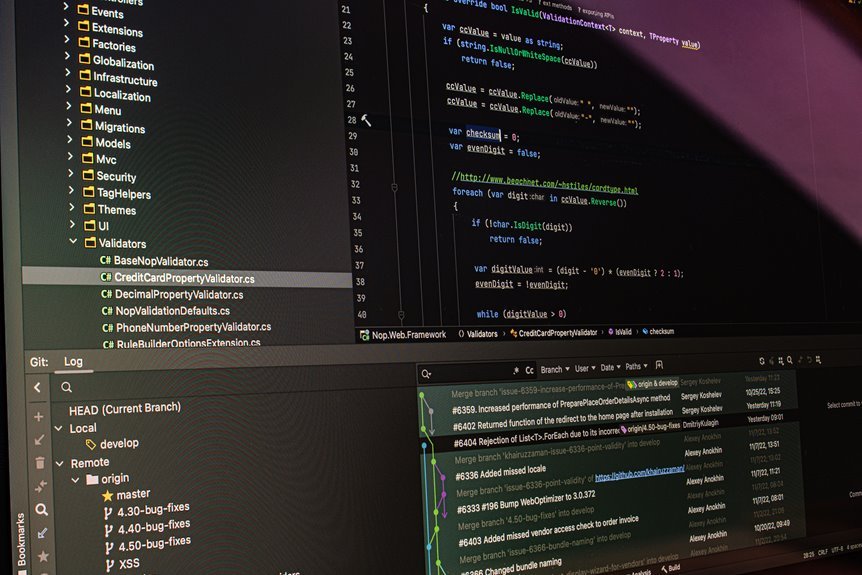
The FusionAxis Integrity Repository represents a governance-driven platform for secure storage, management, and verification of data and artifacts. It emphasizes tamper-evident records, strict access controls, and auditable provenance. The system supports scalable indexing and policy-driven least privilege across federated environments. Its design aims for resilient recovery and compliant operations. Its implications for regulators, remote workflows, and enterprise risk management invite deeper consideration and practical assessment. The next questions illuminate implementation paths and real-world outcomes.
What Is Fusionaxis Integrity Repository and Why It Matters
FusionAxis Integrity Repository is a centralized system designed to securely store, manage, and verify the integrity of FusionAxis data and artifacts. It supports data governance by establishing clear ownership, lineage, and access controls, ensuring accountability. The framework enables proactive risk assessment through continuous monitoring, anomaly detection, and auditable trails, aligning security with operational freedom and responsible innovation.
Core Features That Safeguard Mission-Critical Data
Core features safeguarding mission-critical data center on robust guardianship: strong cryptographic protections, strict access controls, and comprehensive lineage tracking. This framework emphasizes data lineage and robust security controls, ensuring tamper-resistance, verifiable provenance, and resilient recovery. Independent audits validate integrity, while policy-driven governance enforces least privilege. The approach maintains trust, supports freedom of operation, and enables transparent, accountable data stewardship across distributed environments.
How to Implement Provenance and Audit Trails at Scale
Provenance and audit trails must scale in tandem with data volumes and organizational complexity. The approach centralizes immutable logging, federated metadata, and containerized components to preserve data lineage across environments. Automated audit filtering reduces noise, while tamper-evident records enable retrospective verification. Governance controls, versioned schemas, and scalable indexing sustain traceability without compromising performance or freedom to innovate.
Real-World Use Cases and Success Stories With Regulators and Remote Workflows
Real-world deployments demonstrate how regulated environments and distributed remote workflows benefit from integrated provenance, immutable logs, and federated metadata.
Case studies show regulators embracing secure collaboration and streamlined risk governance, enabling transparent audits without hindering autonomy.
Organizations report faster approvals, tighter controls, and resilient data integrity when cross-border teams access verifiable records, ensuring compliant, flexible operations across distributed ecosystems.
Frequently Asked Questions
How Is Fusionaxis Integrity Repository Priced for Large-Scale Deployments?
Pricing is offered via flexible pricing models aligned to deployment scale; large-scale deployments receive volume-based discounts and tiered commitments, ensuring predictable costs. The approach emphasizes cost efficiency while maintaining competitive pricing suitable for expansive rollout strategies.
What Are the Minimum Hardware Requirements for Optimal Performance?
Minimum hardware requirements depend on deployment scale; performance benchmarks indicate scalable CPUs, memory, and I/O. Pricing strategies align with multi-tenant isolation, shared environments, and disaster recovery. Ensure data residency, provenance integrity, testing intervals, and robust deployment testing.
Can Data Residency Affect Provenance and Audit Capabilities?
Data residency can influence provenance audit by constraining data origin records and access paths; however, robust governance and immutable logging mitigate risk, enabling credible traceability while guaranteeing freedom to select compliant jurisdictions for storage and processing.
How Do You Handle Multi-Tenant Isolation in Shared Environments?
Ironically, multi-tenant isolation is achieved through strict partitioning and policy enforcement in shared environments, ensuring data and workloads remain segregated. This preserves provenance, access controls, and auditability, while maintaining freedom for tenants within secure boundaries.
What Are Best Practices for Disaster Recovery Testing Intervals?
Disaster recovery testing intervals should be defined by risk, impact, and regulatory demands; incorporate data residency and provenance capabilities to verify integrity, ensure recoverability, and maintain operational freedom while validating plan effectiveness across environments.
Conclusion
The FusionAxis Integrity Repository provides a robust, governance-driven solution for secure storage, verifiable provenance, and tamper-evident records across federated environments. Its spectrum of features supports strict access control, immutable auditable trails, and scalable indexing, enabling compliant operations and resilient recovery. By embedding policy-driven least privilege and cryptographic protections, organizations can accelerate approvals without compromising integrity. In practice, this platform keeps stakeholders on the same page, ensuring they don’t miss the forest for the trees.
